
"Science is nothing but perception." Plato
"All our knowledge has its origin in our perceptions." daVinci
There are things known and there are things unknown, and in between are the doors of perception." Aldous Huxley
Our senses developed around information that helps us survive. Perception is not just our external senses, it is also our sense of self. How do you see your world and yourself?
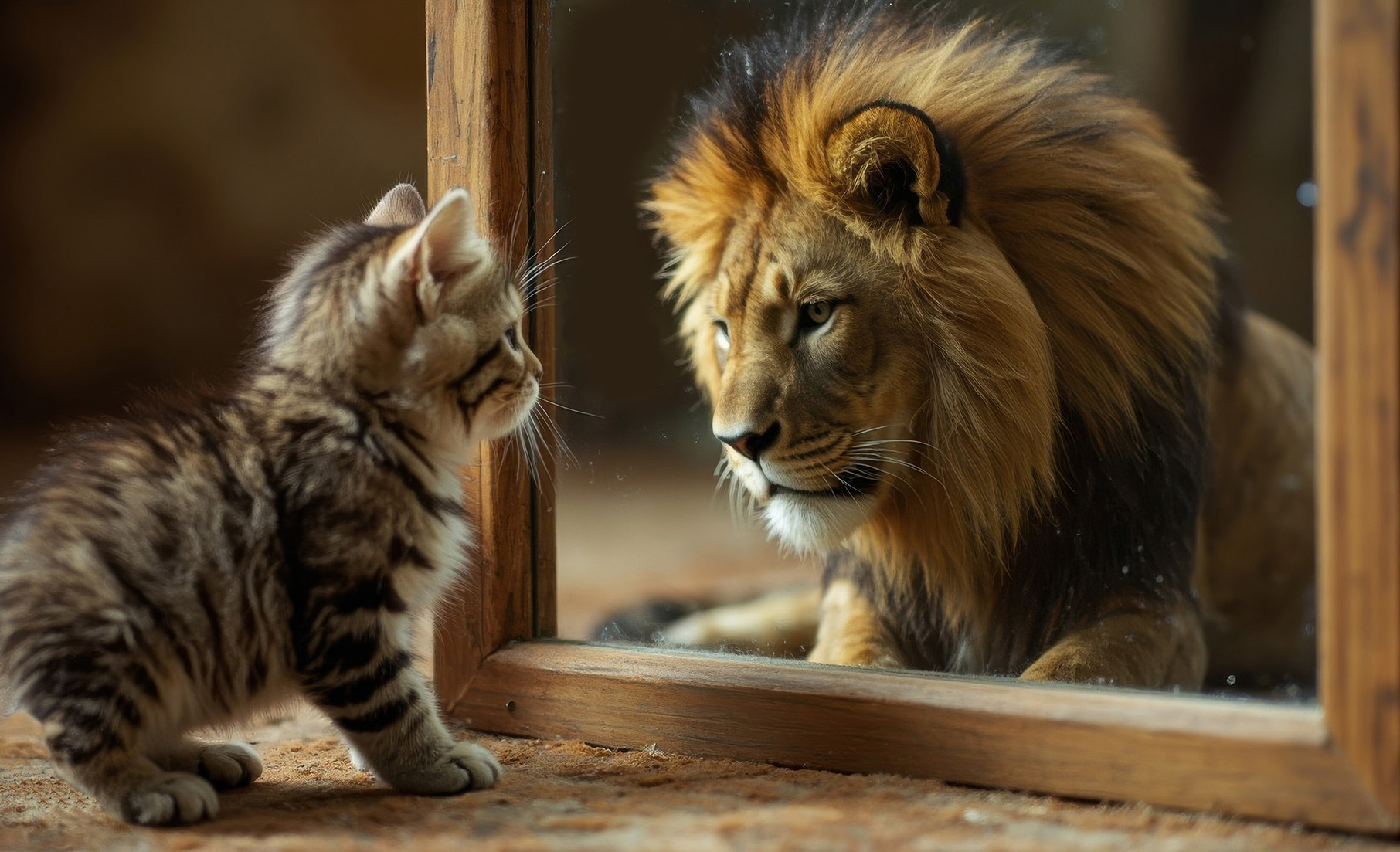
By developing senses and reacting to things in the environment, organisms avoid risk and seek abundance. This only works if sensed information is processed and interpreted into appropriate reactions. Therefore, what happens in our heads can be as important as what is going on around us. Interference from processing systems, or misinterpretation due to expectations, can lead to errors that sometimes produce illusions. This video looks at sensory illusions, followed by logical fallacies and a guide to judging truthful interpretation. It emphasizes how interpretation affects our biological and social wellbeing.
We collect amazing amounts of information about our environment through our senses. This varies from between animals who specialize in the information that affects them the most. Some predators have an uncanny ability to see motion, while some prey is especially sensitive to noise in the environment. The development of vision is perhaps the most complex and amazing of our senses. It is particularly valuable to survival and has developed intricate and diverse capabilities. Vision goes far beyond the eye itself. Its processing accounts for several areas of our brain and has even developed the mind's eye, or predictive modeling.
SOCIETY
RELIGION
SCIENCE